Record added successfully


Autumn is one of the most rewarding seasons to discover Jordan. From September to November, the intense summer heat gradually gives way to milder temperatures, making it an ideal time for walking through archaeological sites, hiking in nature reserves, exploring the desert and enjoying Jordan’s landscapes at a more relaxed pace. The official Petra Development Authority also recommends autumn, from September to November, as one of the best periods to visit Petra because of the mild weather.
Among the autumn months, October is particularly attractive for travelers, offering a good balance of comfortable sightseeing conditions, clear skies and pleasant evenings.
Here are some of the best places to include in an autumn journey through Jordan.
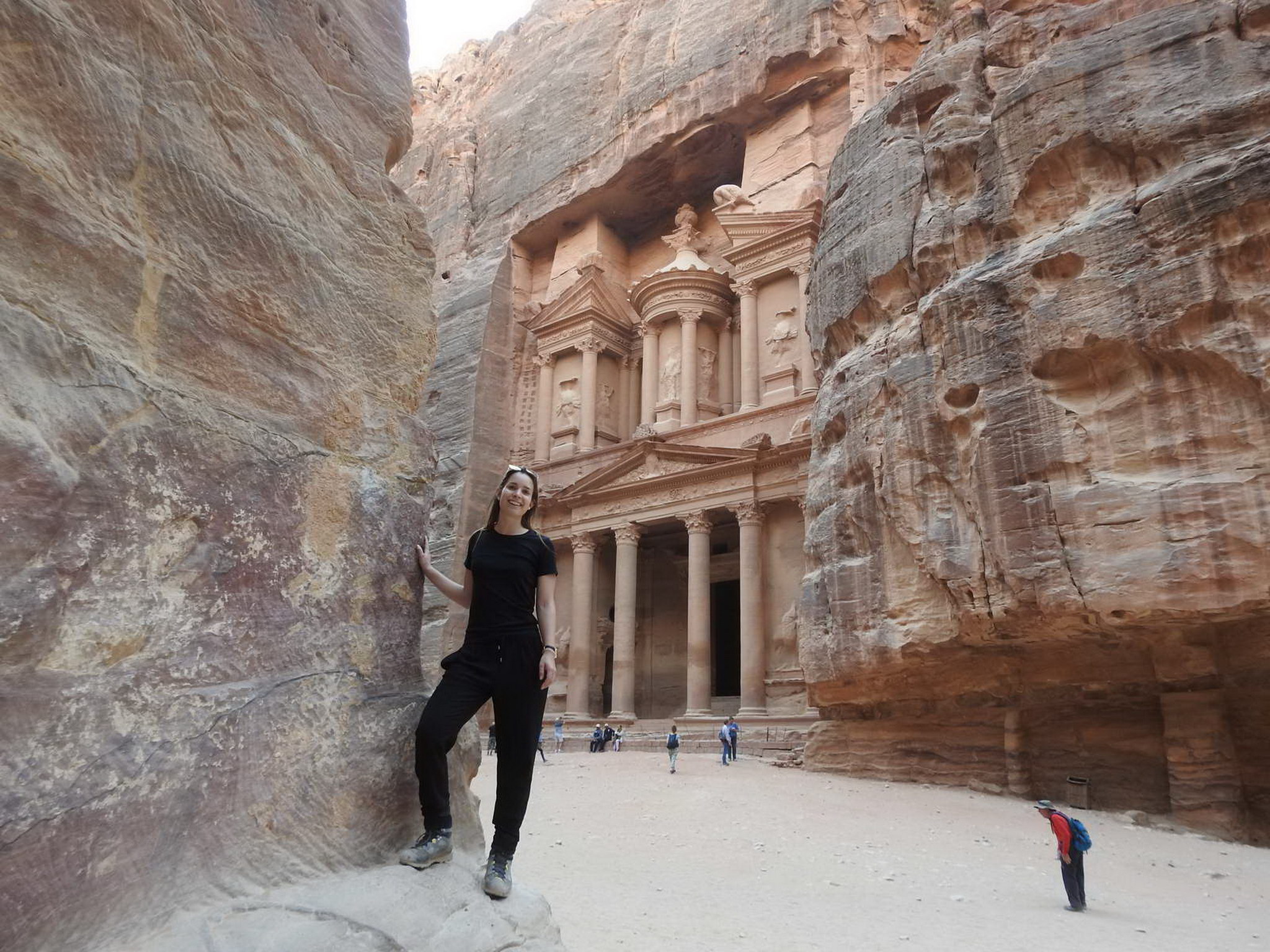
No visit to Jordan is complete without exploring Petra, and autumn is an excellent season to experience the ancient Nabataean city.
The cooler temperatures make the long walks through the Siq and the archaeological site considerably more enjoyable than during the summer months. Autumn light also gives Petra's rose-colored sandstone a particularly beautiful appearance, making the season especially appealing to photographers.
Spend at least a full day exploring the Siq, Treasury, Royal Tombs and Colonnaded Street, while travelers with more time should consider hiking to the Monastery or the High Place of Sacrifice.
Travel tip: Begin your visit early in the morning, when temperatures are cooler and the site is generally quieter.
Autumn transforms Wadi Rum Protected Area into an ideal destination for adventure and desert experiences.
The extreme summer heat begins to ease, allowing visitors to spend more time outdoors. Explore the spectacular sandstone mountains and red dunes by 4x4, hike through desert valleys, ride a camel or simply watch the sunset from a Bedouin camp.
Autumn nights are also excellent for stargazing. Far from major urban centers and surrounded by vast desert landscapes, Wadi Rum offers an extraordinary setting for observing the night sky.
For the best experience, stay overnight rather than visiting only for a few hours. A Bedouin-style camp allows you to experience the desert after sunset, enjoy traditional Jordanian hospitality and wake up to sunrise over the mountains.
Autumn is also an excellent time to visit Jerash Archaeological Site, one of Jordan's most impressive ancient cities.
Known in antiquity as Gerasa, Jerash preserves an extraordinary collection of Roman monuments, including the Oval Plaza, Temple of Artemis, Hadrian's Arch, South Theatre and the long Colonnaded Street.
Because much of the archaeological site is open and exposed, the milder autumn weather makes exploring its extensive ruins far more comfortable.
Jerash can easily be visited as a day trip from Amman, but it is also worth combining with the northern Jordanian countryside and Ajloun.
For travelers looking for a greener side of Jordan, Ajloun is an excellent autumn destination.
The region's hills and forests provide a striking contrast to the desert landscapes of southern Jordan. Visitors can explore Ajloun Castle, enjoy panoramic views across the northern highlands and explore hiking trails around the Ajloun Forest Reserve.
Autumn is particularly attractive for outdoor activities, as temperatures are much more suitable for walking and hiking than during the summer.
Autumn is a wonderful time to explore Amman, particularly on foot.
Begin at the Citadel, where you can see remains from several civilizations and enjoy panoramic views over the city's distinctive hills. Continue down to the Roman Theatre and explore the markets, cafés and restaurants of downtown Amman.
Autumn evenings are especially enjoyable for discovering Amman's food scene. Try traditional dishes such as mansaf, maqluba, falafel and hummus, or spend an evening enjoying the city's modern cafés and restaurants.
Amman also makes an excellent base for day trips to Jerash, Madaba, the Dead Sea and other nearby attractions.

After several days of sightseeing and hiking, the Dead Sea offers a perfect opportunity to slow down.
Located more than 400 metres below sea level, the Dead Sea remains warm well into autumn. Visitors can experience the famous buoyant waters, cover themselves with mineral-rich mud and relax at one of the area's resorts.
October and November can be particularly pleasant for combining relaxation with outdoor sightseeing, while the cooler temperatures make exploring the surrounding region more comfortable.
The Dead Sea is also conveniently located for combining with Madaba, Mount Nebo and the Baptism Site.
Autumn is a comfortable season for exploring Madaba and nearby Mount Nebo.
Madaba is famous for its Byzantine and Umayyad-era mosaics, particularly the celebrated sixth-century mosaic map of the Holy Land in St. George's Church.
From Mount Nebo, visitors can enjoy sweeping views toward the Jordan Valley and, on clear days, the lands beyond the Dead Sea.
The two destinations make an easy addition to an autumn road trip between Amman and the Dead Sea.
Nature lovers should add Dana Biosphere Reserve to their autumn itinerary.
The reserve stretches from the highlands down toward Wadi Araba and encompasses dramatic changes in elevation and landscape. Its hiking trails offer opportunities to experience Jordan beyond its famous archaeological monuments.
Autumn's moderate conditions are well suited to hiking, particularly for travelers interested in experiencing Jordan's mountains, valleys and wildlife.
A trek through Dana can also become part of a longer journey toward Petra.
At the southern end of the country, Aqaba offers a completely different experience.
While the highlands become cooler in autumn, Aqaba remains warm, making it an attractive destination for swimming, snorkeling, diving and enjoying the Red Sea.
The city's location also makes it an ideal complement to Wadi Rum. Visitors can spend a few days exploring the desert before heading to the coast for relaxation and water activities.
The Baptism Site of Jesus, also known as Al-Maghtas or Bethany Beyond the Jordan, is one of Jordan's most significant religious and historical destinations.
Autumn provides comfortable conditions for exploring the archaeological and religious sites along the Jordan River. The visit can easily be combined with the Dead Sea, making it a convenient stop on a Jordan Valley itinerary.
Autumn is particularly attractive because it allows travelers to experience several different sides of Jordan in one trip: ancient cities, desert landscapes, forests, religious sites, mountains and the Red Sea.
September is still relatively warm, particularly in the Dead Sea, Aqaba and Wadi Rum, but temperatures begin to ease compared with summer. October is arguably the standout month for an all-round itinerary, with comfortable conditions for Petra, Jerash, Wadi Rum and hiking. November brings cooler temperatures and can offer a quieter experience, although the possibility of rain increases toward the end of the month.
For a 7–10 day autumn trip, consider:
Amman → Jerash → Ajloun → Madaba & Mount Nebo → Dead Sea → Petra → Wadi Rum → Aqaba
This route combines Jordan's ancient heritage, natural landscapes, desert adventures and seaside relaxation while taking advantage of the country's excellent autumn travel conditions.
Practical tip: Autumn is a popular travel season, particularly October, so it is wise to book accommodation and major experiences in advance. Pack light clothing for daytime sightseeing but bring a jacket or warm layer for evenings, especially in Petra, Dana and Wadi Rum.